
Argentina
Explore Argentina’s Vibrant Culture and Scenic Wonders
Dive into Argentina’s rich heritage, from tango rhythms to breathtaking landscapes, inspiring your ultimate travel adventure and unforgettable experiences.

Discover Argentina’s Unique Charms
This section describes the key features briefly.

Buenos Aires Highlights
Experience the vibrant culture and European flair of the capital city.
Patagonia Road Trips
Explore breathtaking landscapes and adventurous routes in southern Argentina.
Local Tango Experiences
Join authentic tango classes and immerse yourself in Argentina’s dance tradition.
Discover Argentina’s Vibrant Scenes
Dive into a handpicked set of photos capturing Argentina’s rich culture, breathtaking landscapes, and lively cities.



Discover Argentina’s Rich Culture
Dive into Argentina’s vibrant cities, breathtaking landscapes, and unique traditions.

Buenos Aires Charm
Uncover the European flair and lively spirit of Argentina’s capital city.
Patagonia Road Trips
Plan your adventure through Patagonia’s stunning natural beauty and scenic routes.
Tango and Traditions
Experience the passion of tango dance and immerse in Argentine customs.
Discover Argentina’s Vibrant Events
Explore upcoming festivals, tango nights, and cultural celebrations that bring Argentina’s spirit to life, inviting you to immerse yourself in unforgettable moments.

History
Argentina’s story is as rich and diverse as its landscapes. Originally inhabited by Indigenous peoples such as the Mapuche, Guaraní, and Diaguita, the region began to change dramatically in the 16th century with the arrival of Spanish colonizers. Buenos Aires was founded in 1536, and Argentina remained under Spanish rule for nearly 300 years.
In 1816, Argentina declared independence, becoming a key player in the South American fight for liberation. The 19th century was marked by internal struggles between federalists and centralists, shaping the nation’s political foundation.
The early 20th century brought prosperity through agriculture and European immigration, particularly from Italy and Spain, making Argentina one of the world’s wealthiest countries at the time. However, political instability, military coups, and economic crises followed.
One of Argentina’s most iconic figures, Eva Perón (Evita), rose to prominence in the 1940s alongside her husband, President Juan Perón. Their legacy still resonates strongly in Argentine culture and politics.
The late 20th century was tumultuous, notably during the military dictatorship from 1976 to 1983, a period known as the “Dirty War,” when thousands of citizens were disappeared. Democracy was restored in 1983, and since then, Argentina has been navigating the challenges of economic reform and social change.
Today, Argentina is a vibrant democracy with a rich cultural heritage, famous for tango, world-class beef, passionate fútbol, and stunning natural wonders—from Patagonia to the Iguazú Falls.
Geography
Exploring Argentina’s Geography: A Land of Dramatic Contrasts
Argentina is a country of breathtaking contrasts and diverse landscapes, stretching over 3,600 km (2,200 miles) from the Tropic of Capricorn in the north to the tip of Tierra del Fuego in the south. As the eighth-largest country in the world and the second-largest in South America, Argentina offers travelers an extraordinary range of natural wonders.
In the north, you’ll find subtropical forests, red rock canyons, and high-altitude deserts. The provinces of Salta and Jujuy are famous for their colorful mountains and indigenous heritage. Nearby, the Iguazú Falls, one of the largest and most spectacular waterfall systems in the world, roars through lush rainforest.
Heading west, the Andes Mountains form a natural border with Chile. This region is home to Aconcagua, the highest peak outside of Asia, and world-renowned wine country around Mendoza, where Malbec grapes thrive under sunny skies and snow-capped peaks.
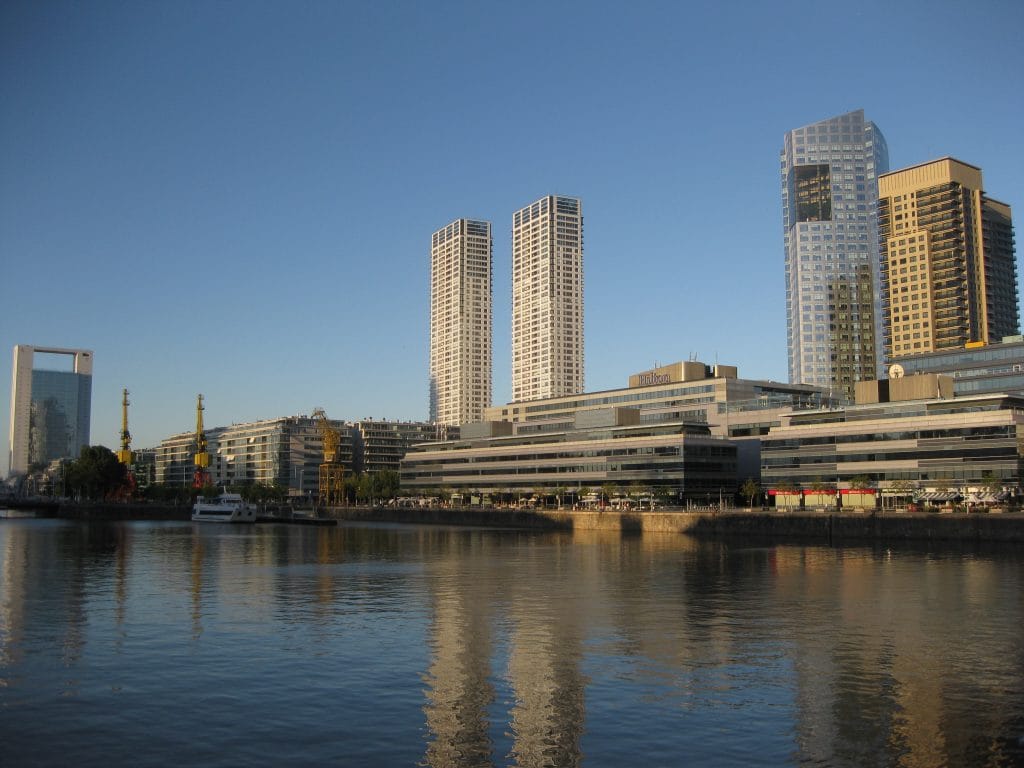
The central Pampas are Argentina’s agricultural heartland—vast, flat grasslands ideal for cattle ranching and grain production. This is also where you’ll find Buenos Aires, the vibrant capital, blending European architecture with Latin flair.
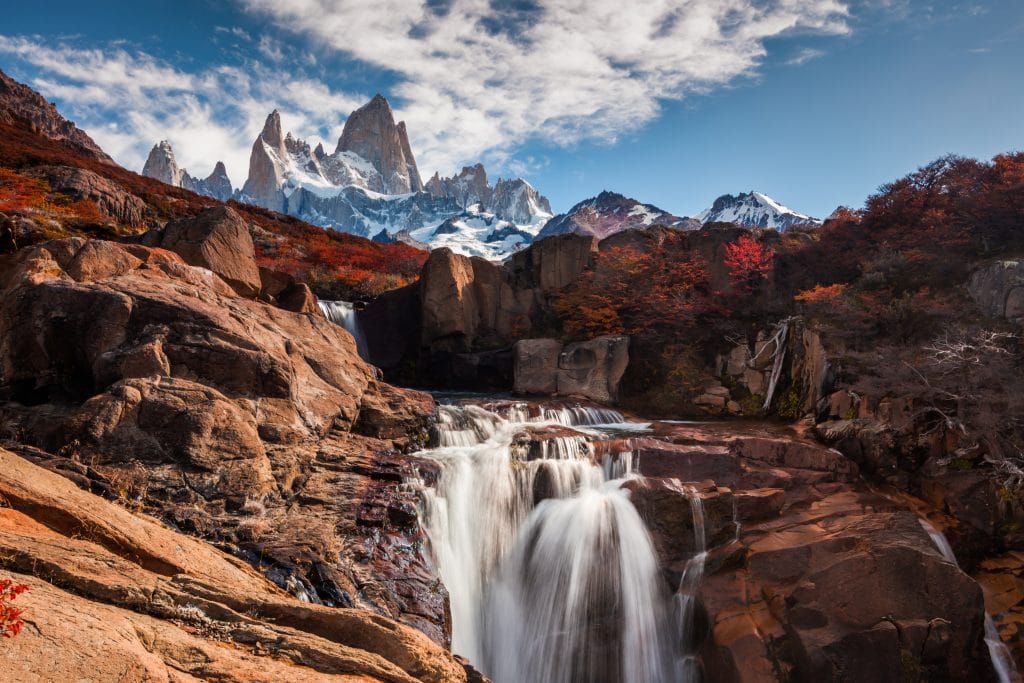
In the south, Patagonia opens up a world of glaciers, windswept plains, and dramatic coastlines. You can trek across the Perito Moreno Glacier, spot whales off the Valdés Peninsula, or hike through the wild beauty of El Chaltén and Torres del Paine (just across the border in Chile).
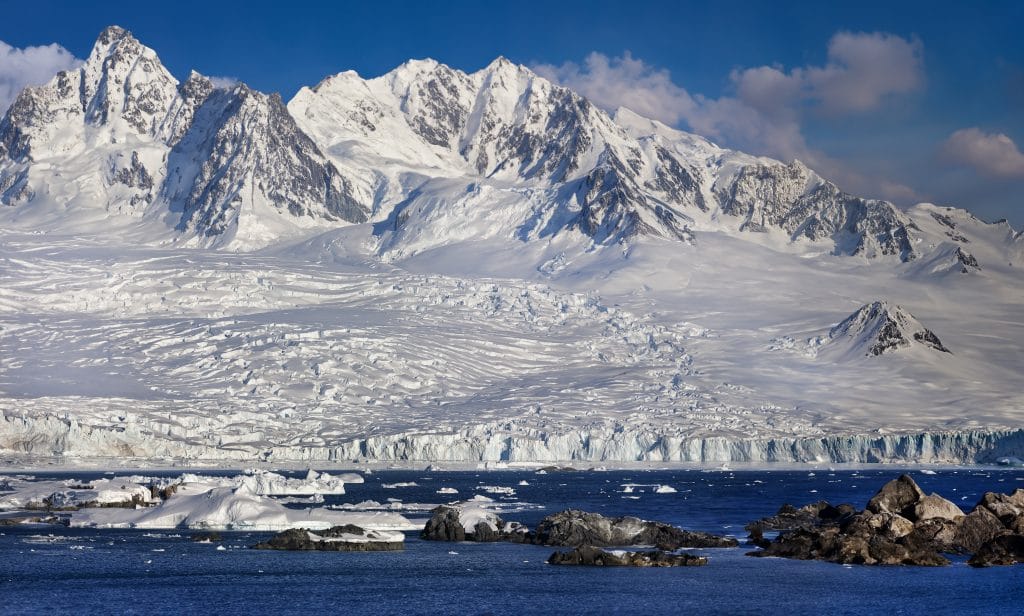
Finally, at the southernmost tip lies Tierra del Fuego, a rugged archipelago often called “the end of the world,” with windswept landscapes and the gateway city of Ushuaia, the world’s southernmost city and a launch point for Antarctic cruises.
Argentina’s geography isn’t just beautiful—it’s an adventure waiting to happen. Whether you’re chasing waterfalls, hiking mountains, or sipping wine in the shadow of the Andes, the land itself is part of the journey.